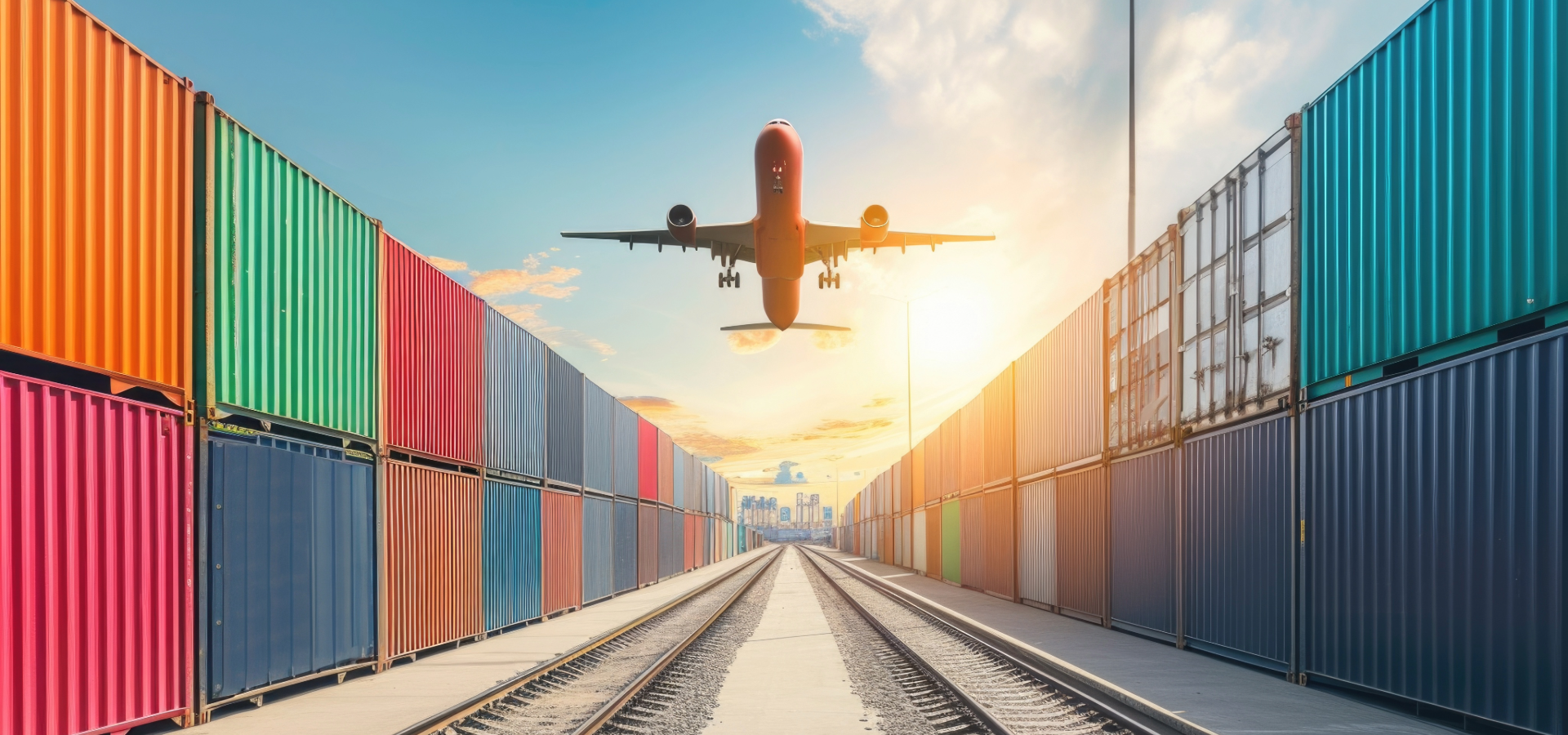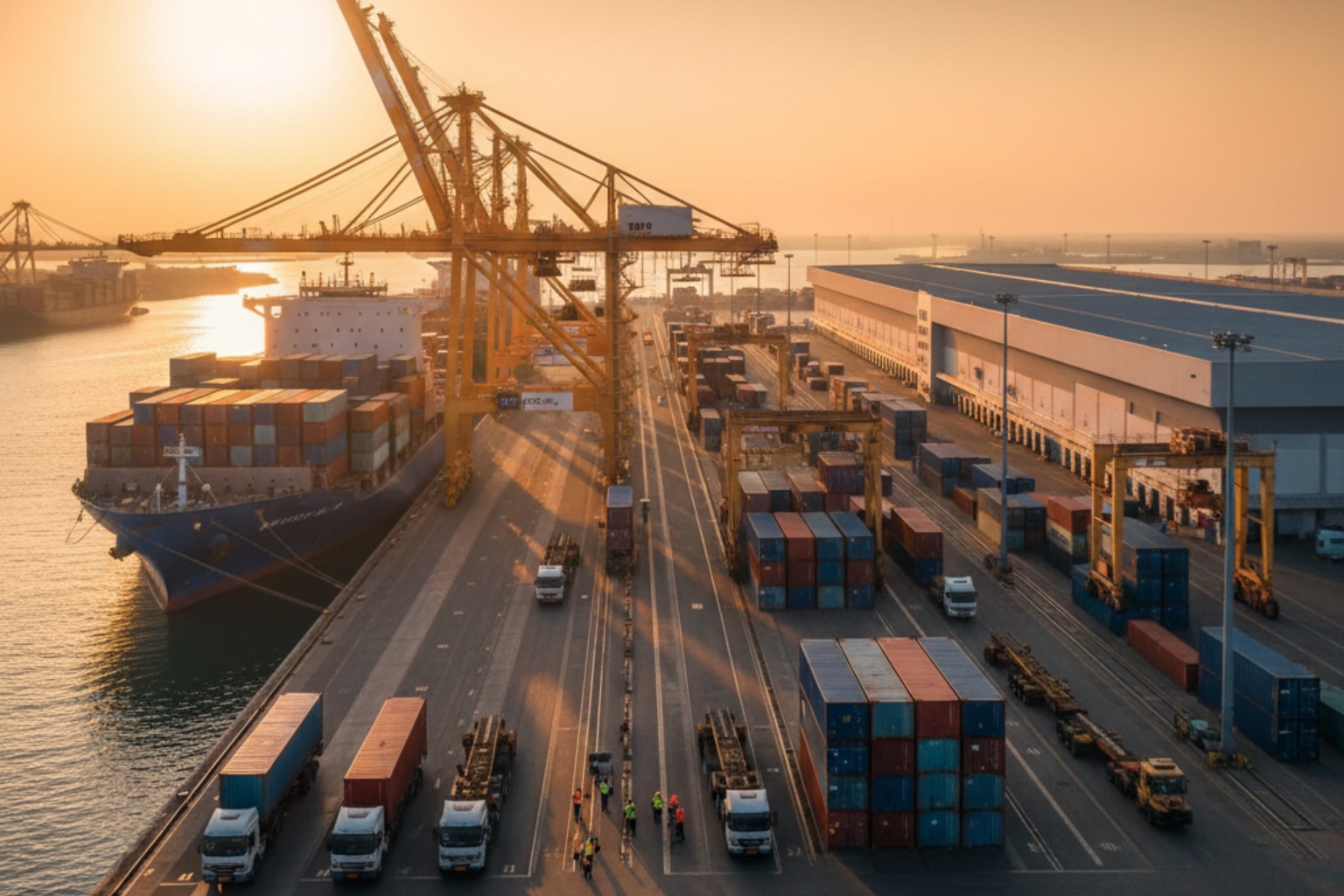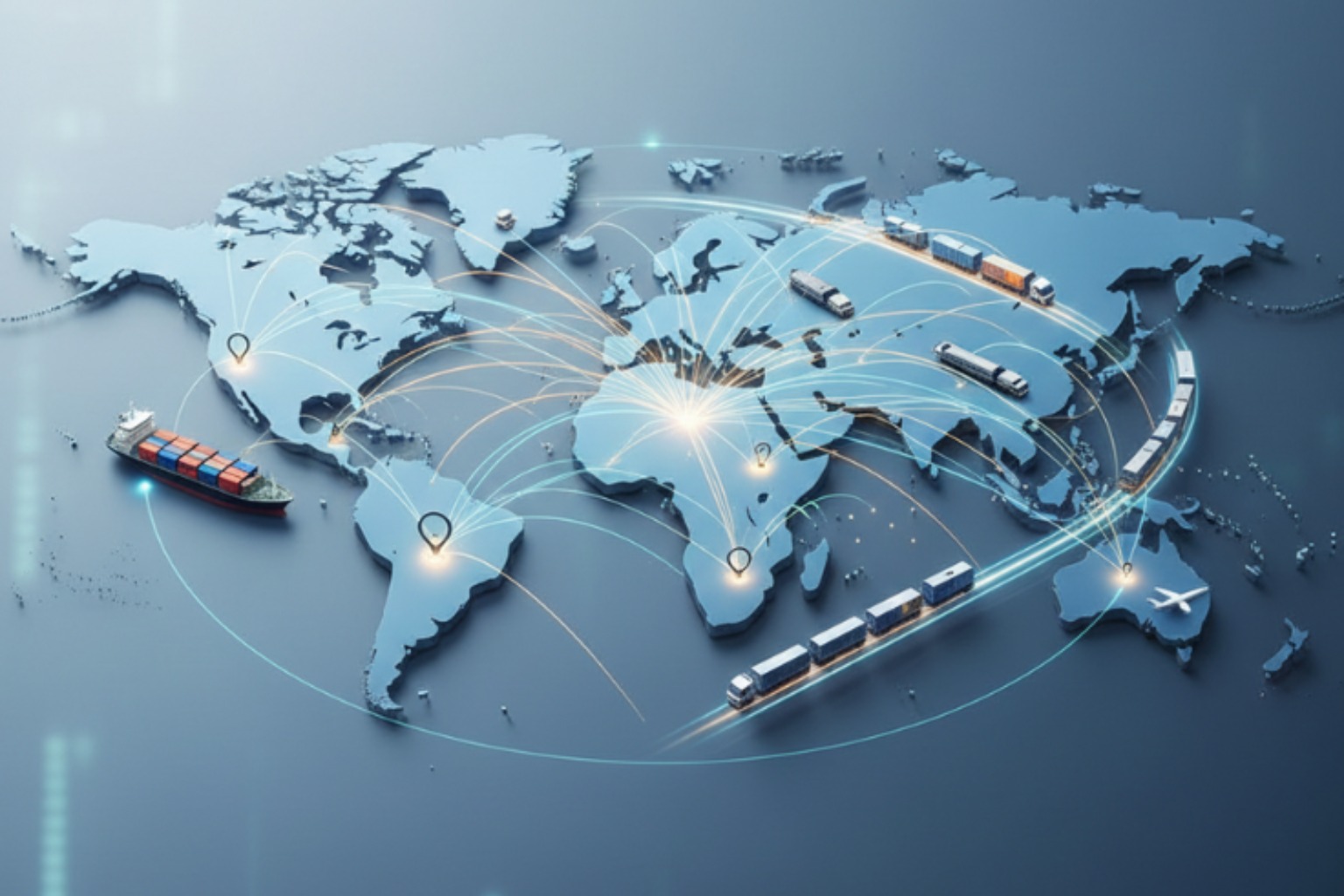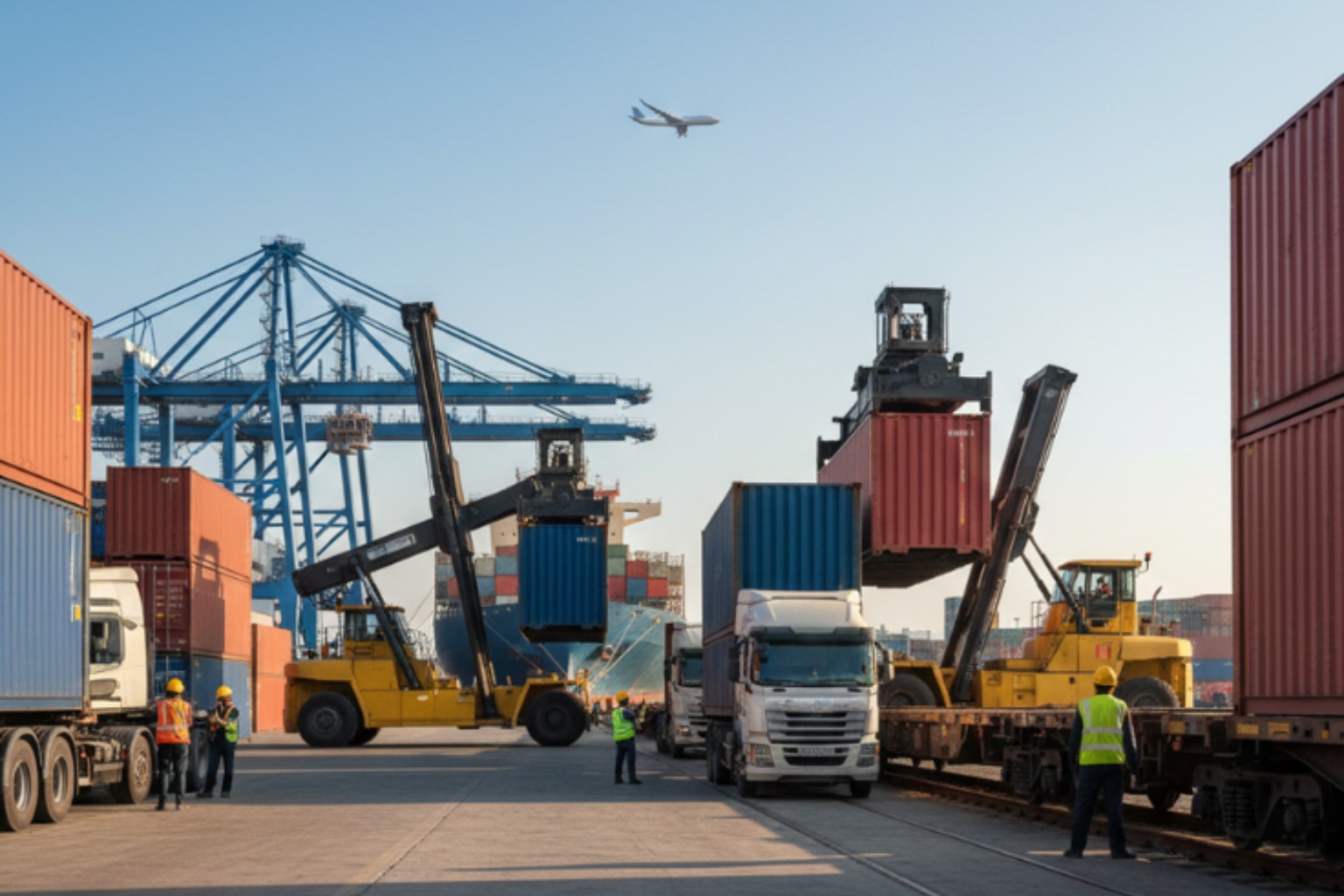
In today's interconnected economy, global logistics optimization is no longer just about moving goods from one country to another - it's about speed, visibility, cost control, and reliability.
Whether you're importing raw materials, exporting finished products, or managing international supply chains, the efficiency of your global logistics strategy directly impacts your profits, customer satisfaction, and competitive advantage.
Companies that optimize their international logistics operations reduce delays, lower freight costs, and respond faster to market demands.
So how can businesses truly get the most out of global logistics?
Let's break it down.
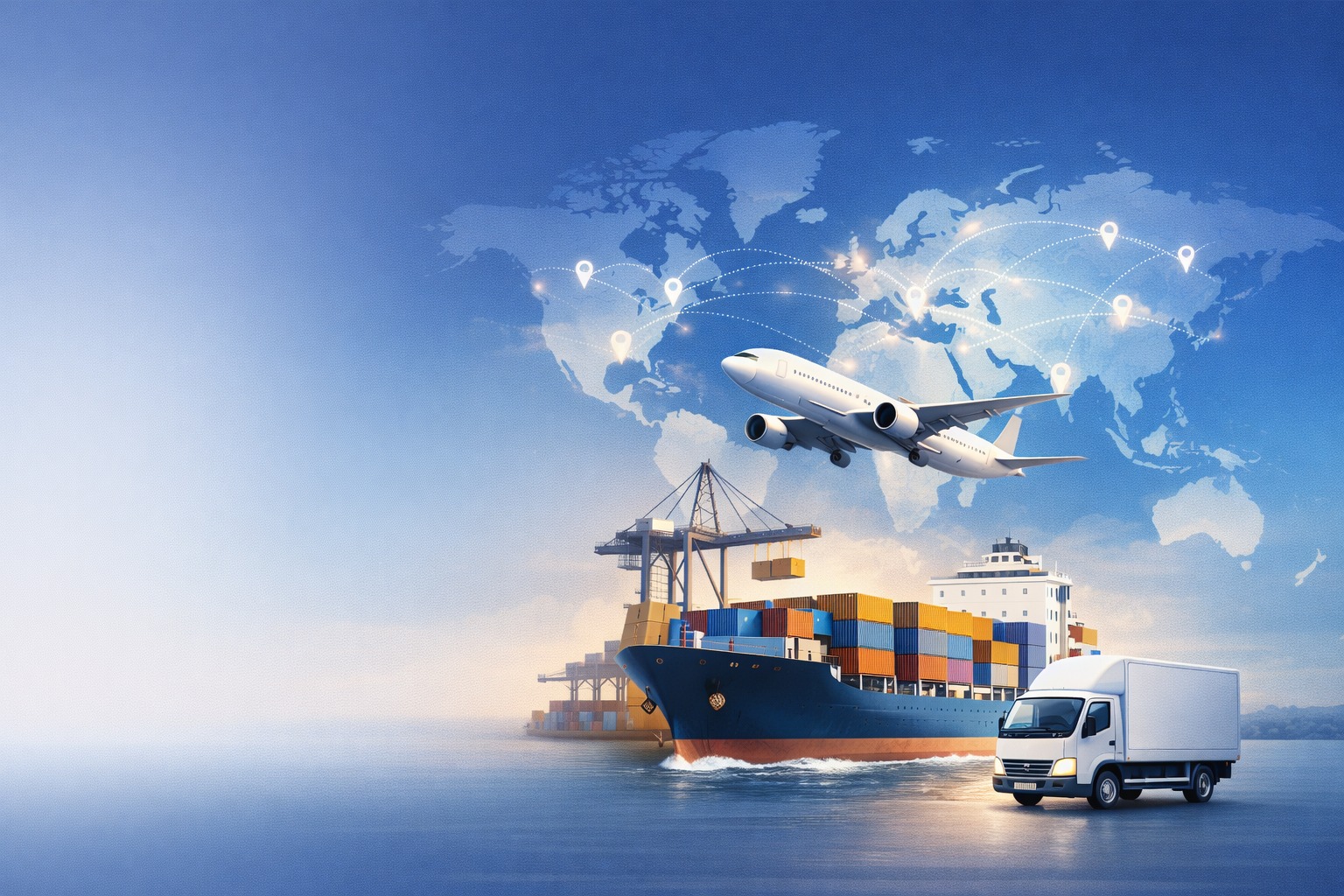
Global logistics refers to the planning, coordination, and management of moving goods across international borders through air, sea, road, and rail networks.
It includes:
Freight transportation (air, sea, land)
Customs clearance
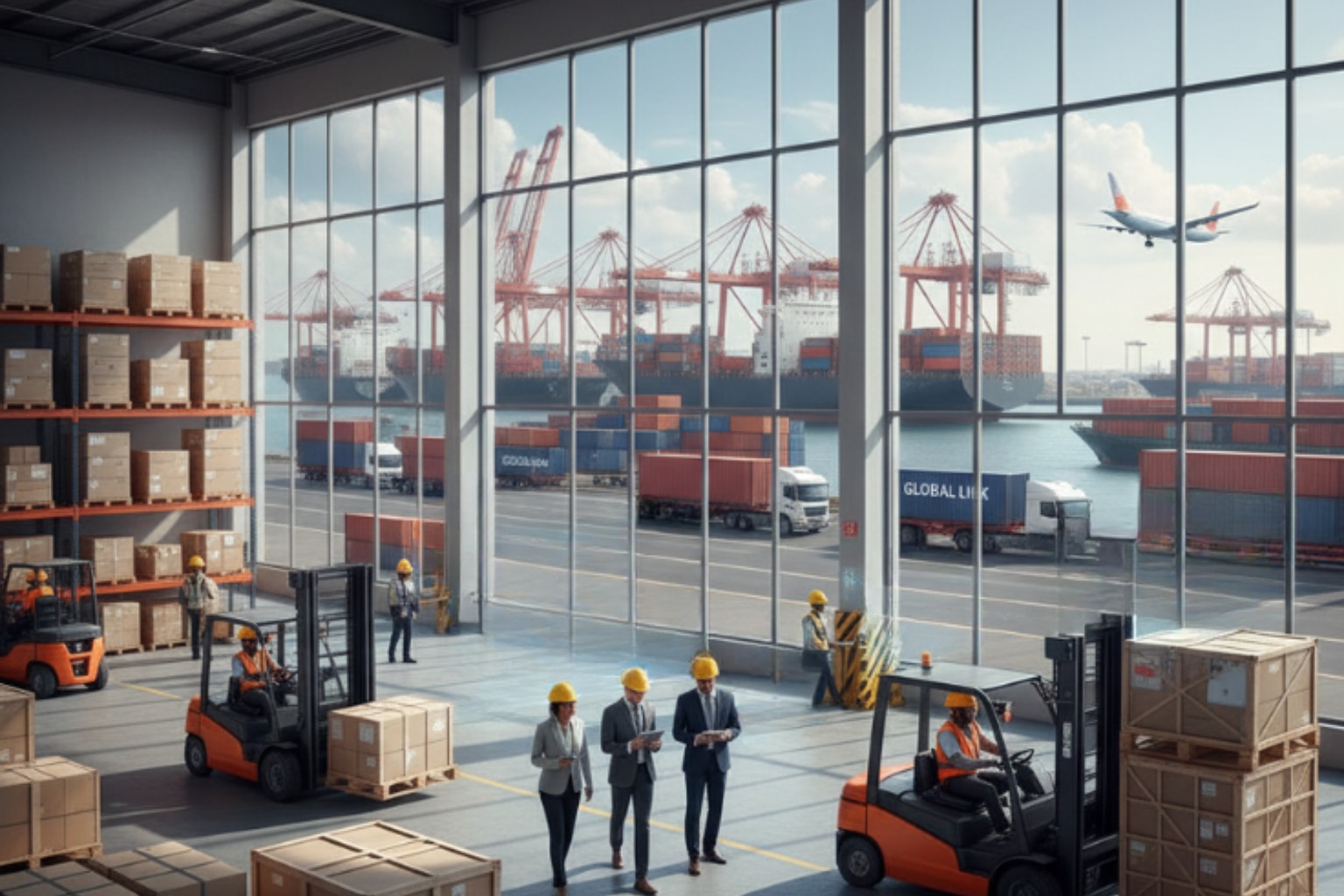
Warehousing & distribution
Documentation
Supply chain coordination
Last-mile delivery
When managed correctly, global logistics ensures products reach customers safely, quickly, and cost-effectively - anywhere in the world.
With the rise of e-commerce, cross-border trade, and international sourcing, logistics has become a competitive advantage - not just a backend function.
Poor logistics leads to:
Shipment delays
Increased costs
Customs penalties
Damaged goods
Lost customers
Optimized logistics delivers:
Faster deliveries
Lower freight costs
Real-time visibility
Better inventory control
Higher customer trust
Simply put: strong logistics = stronger business growth.
Not every shipment needs air freight, and not every cargo fits ocean freight.
Air freight - urgent, high-value goods
Sea freight - bulk & heavy shipments
Road/rail - regional distribution
Selecting the right mode reduces costs and improves delivery timelines.
Read MoreAn experienced freight forwarder simplifies:
Documentation
Customs compliance
Route planning
Risk management
Look for providers with:
Global networks
Real-time tracking
Customs expertise
Multi-modal capabilities
A strong partner prevents costly delays and errors.
Read MorePoor planning causes excess inventory and last-minute air freight expenses.
Improve efficiency by:
Forecasting demand
Planning shipments early
Consolidating cargo
Avoiding emergency shipments
Smart planning saves both time and money.
Modern logistics technology offers:
GPS tracking
Shipment alerts
Digital documentation
Analytics dashboards
Better customer communication
Faster decisions
Fewer surprises
Better customer communication
Data-driven logistics leads to predictable performance.
Customs delays are one of the biggest international shipping challenges.
To avoid issues:
Ensure accurate documentation
Use correct HS codes
Follow local regulations
Work with customs experts
Smooth clearance keeps cargo moving without penalties or holds.
Read MoreShipping small loads frequently increases costs.
Instead:
Combine multiple orders
Use full container loads (FCL)
Plan batch shipments
Consolidation improves freight efficiency and lowers rates.
Global logistics involves risks such as:
Weather disruptions
Port congestion
Political instability
Carrier delays
Prepare by:
Diversifying routes
Maintaining safety stock
Using cargo insurance
Having backup suppliers
Resilient supply chains recover faster.
Strategically located warehouses reduce delivery time and transportation costs.
Consider:
Regional distribution centers
Bonded warehouses
Cross-docking facilities
Efficient storage speeds up order fulfillment.
Read MoreTrack logistics expenses regularly:
Freight rates
Storage fees
Demurrage charges
Handling costs
Negotiating contracts and optimizing routes can significantly reduce expenses without sacrificing service quality.
Sustainability is now a global priority.
Businesses can:
Optimize routes to reduce fuel use
Use eco-friendly packaging
Consolidate shipments
Choose energy-efficient carriers
Green logistics improves both environmental impact and brand reputation.
Poor documentation
Last-minute bookings
Ignoring customs regulations
Choosing the cheapest carrier over reliability
Lack of shipment tracking
Even small errors can cause major disruptions.
When logistics is managed strategically, businesses gain:
Faster delivery times
Lower operational costs
Better customer satisfaction
Stronger global reach
Higher supply chain resilience
Increased profitability
Logistics excellence directly drives business success.
At ECM Logistics, we specialize in reliable and efficient global freight solutions through:
Air freight
Sea freight
Road transportation
Customs clearance
Warehousing & distribution
From planning and documentation to final delivery, every shipment is handled with precision and transparency.
Dependable logistics. Clear communication. Consistent performance.
What is global logistics in simple terms?
It's the process of managing and transporting goods internationally through air, sea, or land while handling customs, warehousing, and delivery.
How can businesses reduce logistics costs?
Consolidation, early planning, selecting the right freight mode, and working with experienced partners help lower costs.
Which is better: air or sea freight?
Air is faster for urgent shipments; sea is more economical for bulk cargo. Most businesses use a combination.
How does technology improve logistics?
Real-time tracking, automated documentation, and analytics improve visibility, speed, and decision-making.
How does ECM Logistics support global shipping?
ECM Logistics provides end-to-end international freight solutions with reliable delivery, customs expertise, and global coordination.