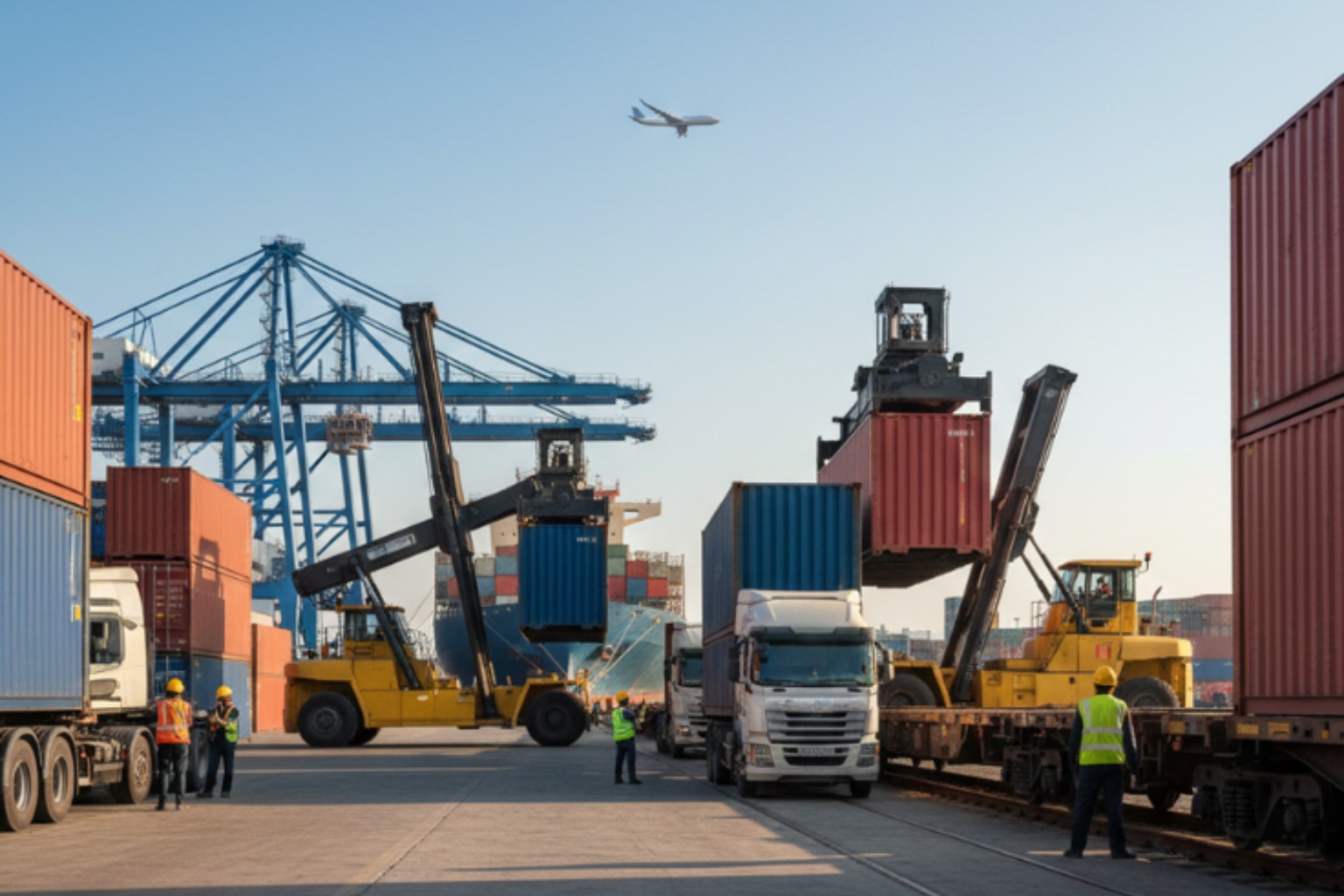
In today's fast-paced global economy, businesses rely heavily on the efficient movement of goods. Terms like freight and logistics are often used interchangeably, but they represent different aspects of supply chain management.
Understanding the difference between freight vs logistics is crucial for businesses aiming to reduce shipping costs, improve operational efficiency, and choose the right solutions for transporting goods.
In this comprehensive guide, we'll break down the definitions, explain how they work together, and help you decide which services your business needs.
Freight refers specifically to the physical transportation of goods from one location to another. It focuses on moving cargo efficiently, safely, and cost-effectively.
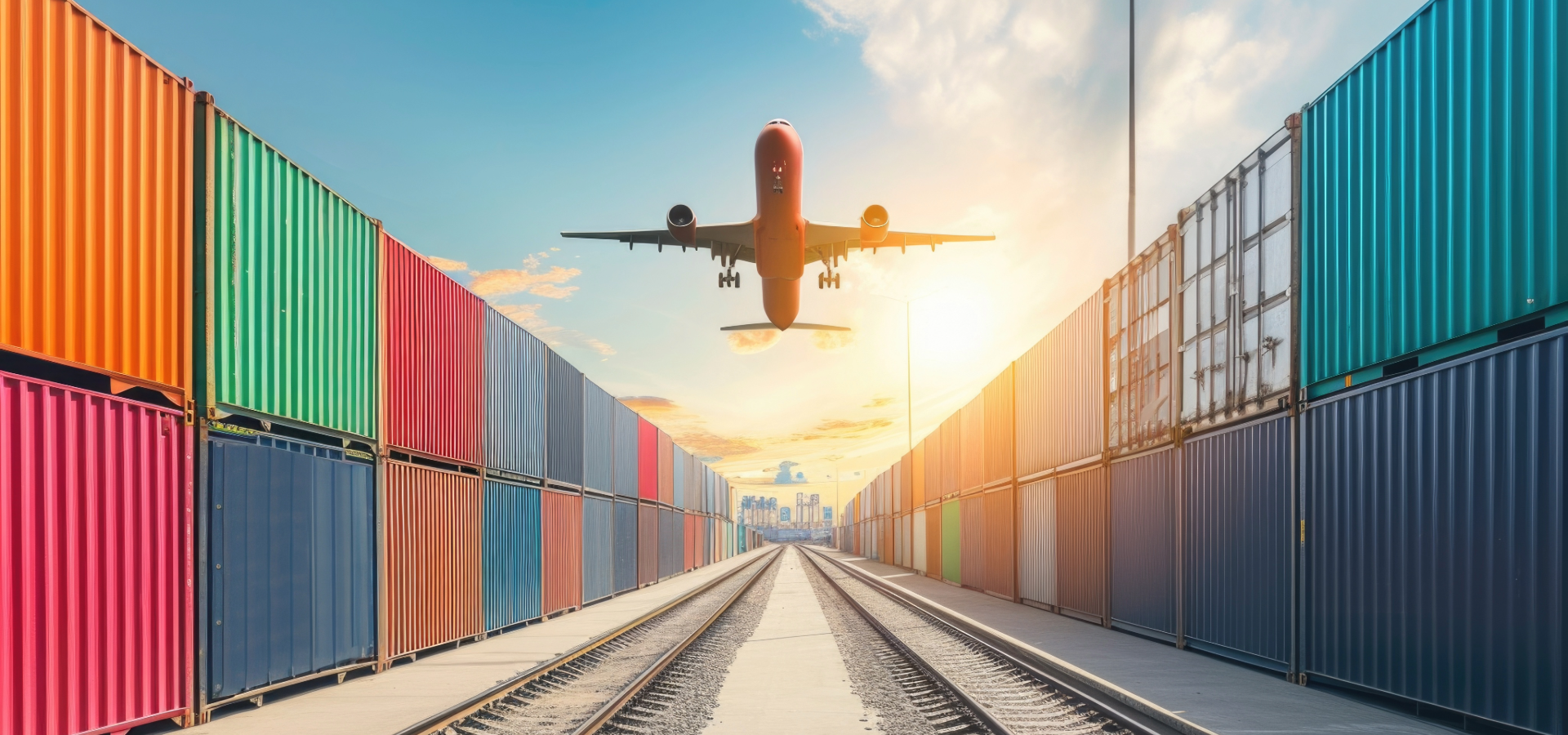
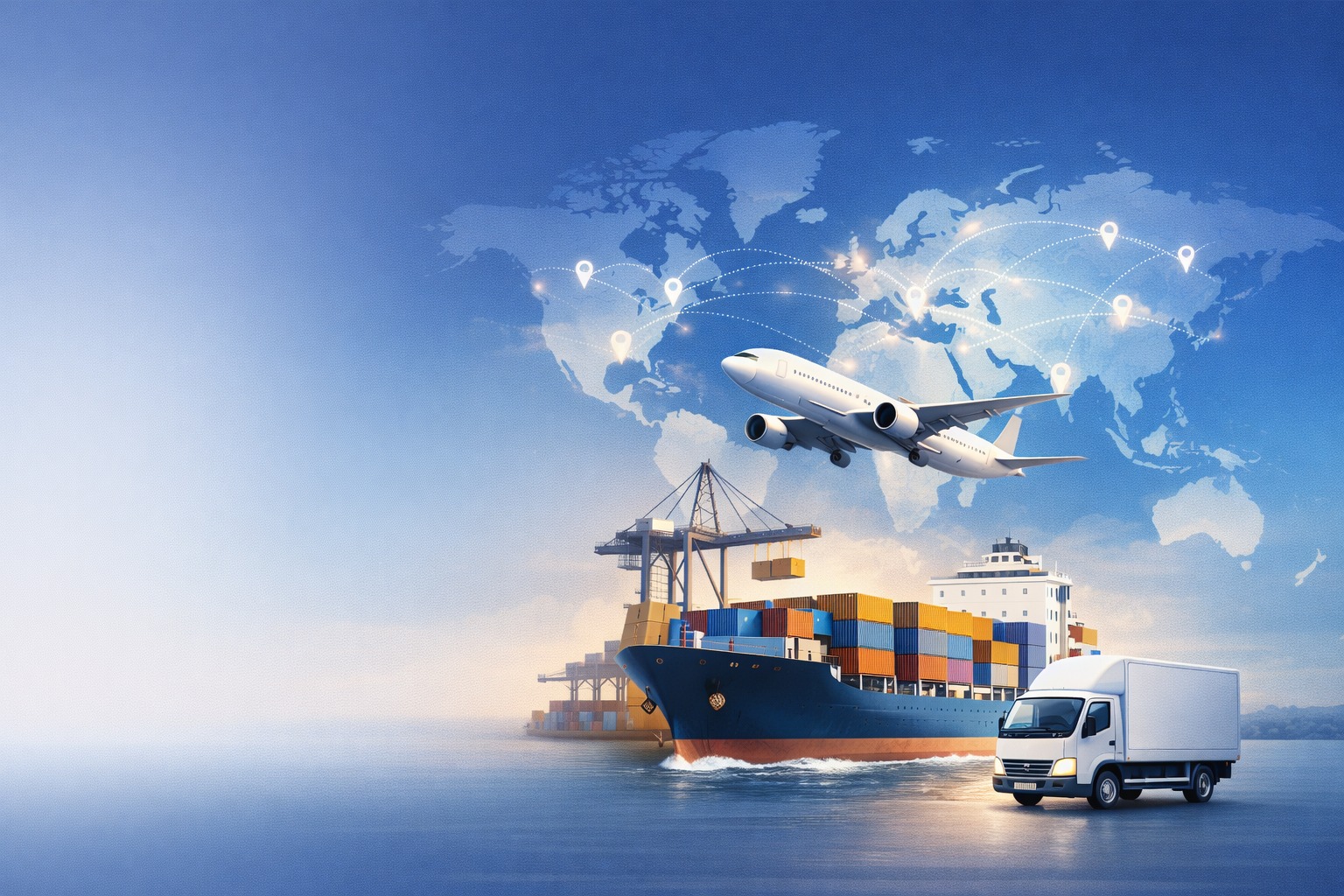
Freight transportation can occur via multiple modes:
Air Freight
Fastest shipping option
Ideal for urgent or high-value goods
Sea Freight
Cost-effective for bulk cargo
Suitable for international shipments
Road Freight
Flexible last-mile delivery
Perfect for domestic transport
Rail Freight
Economical for long distances
Environmentally friendly
Transport speed
Carrier selection
Delivery routes
Shipping costs
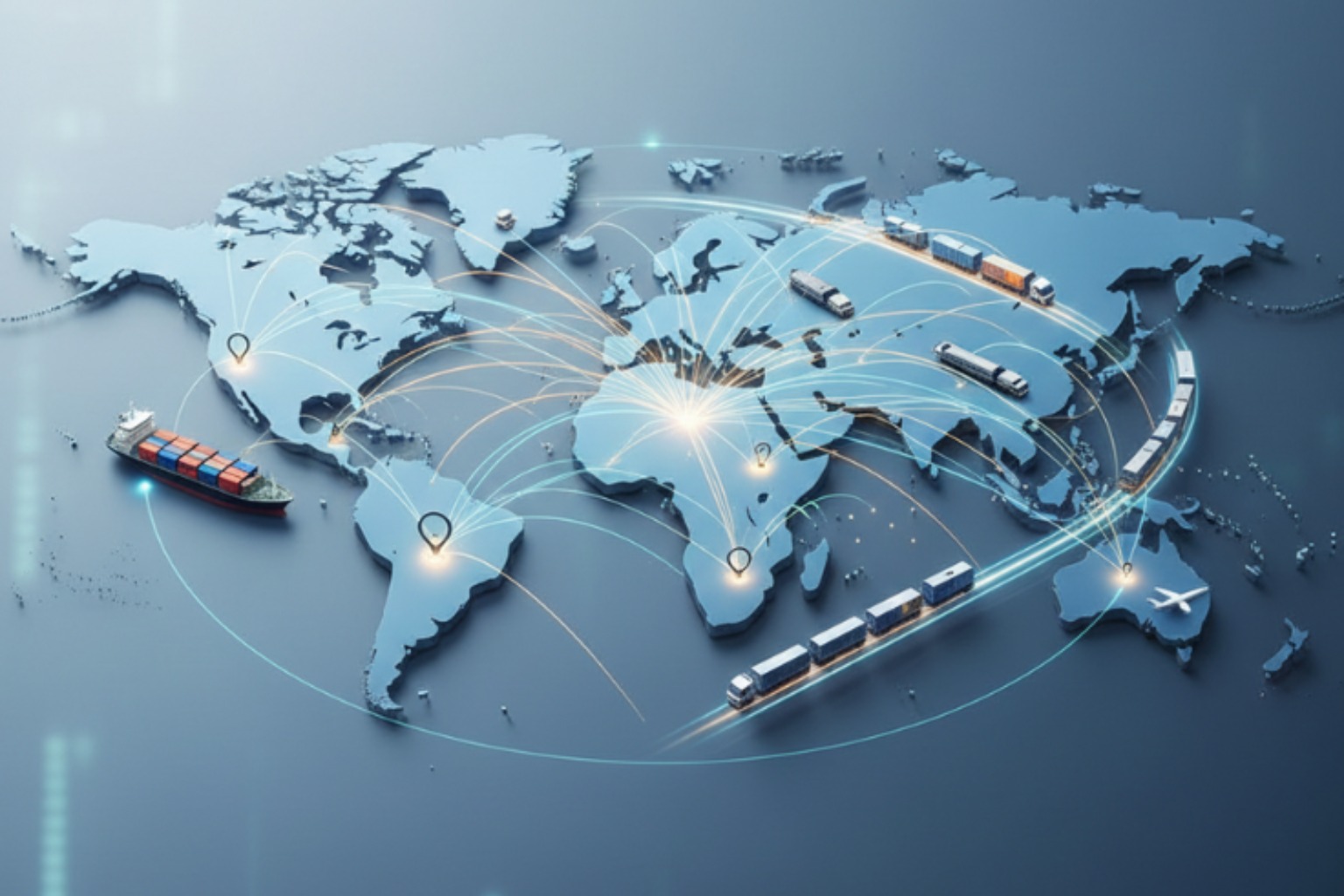
Logistics is a broader concept that involves planning, managing, and optimizing the entire supply chain, including freight. It ensures that products reach the right place at the right time, efficiently and cost-effectively.
Transportation (freight)
Warehousing and storage
Inventory management
Order fulfillment
Packaging
Customs clearance
Reverse logistics
End-to-end supply chain management
Cost optimization
Process efficiency
Customer satisfaction
Quick takeaway: Freight is a part of logistics. Logistics is the strategy and system that ensures freight works effectively.
While freight and logistics are closely related, they serve different purposes. Freight focuses solely on the transportation of goods - whether by air, sea, road, or rail - and aims to ensure delivery from one point to another efficiently. In contrast, logistics takes a broader approach, managing the entire supply chain, including transportation, warehousing, inventory management, order fulfillment, and overall process optimization. Freight is primarily operational, concerned with moving cargo, while logistics is strategic, focused on planning, efficiency, and cost optimization. In short, freight is about the movement itself, whereas logistics ensures that all operations surrounding that movement run smoothly and effectively.
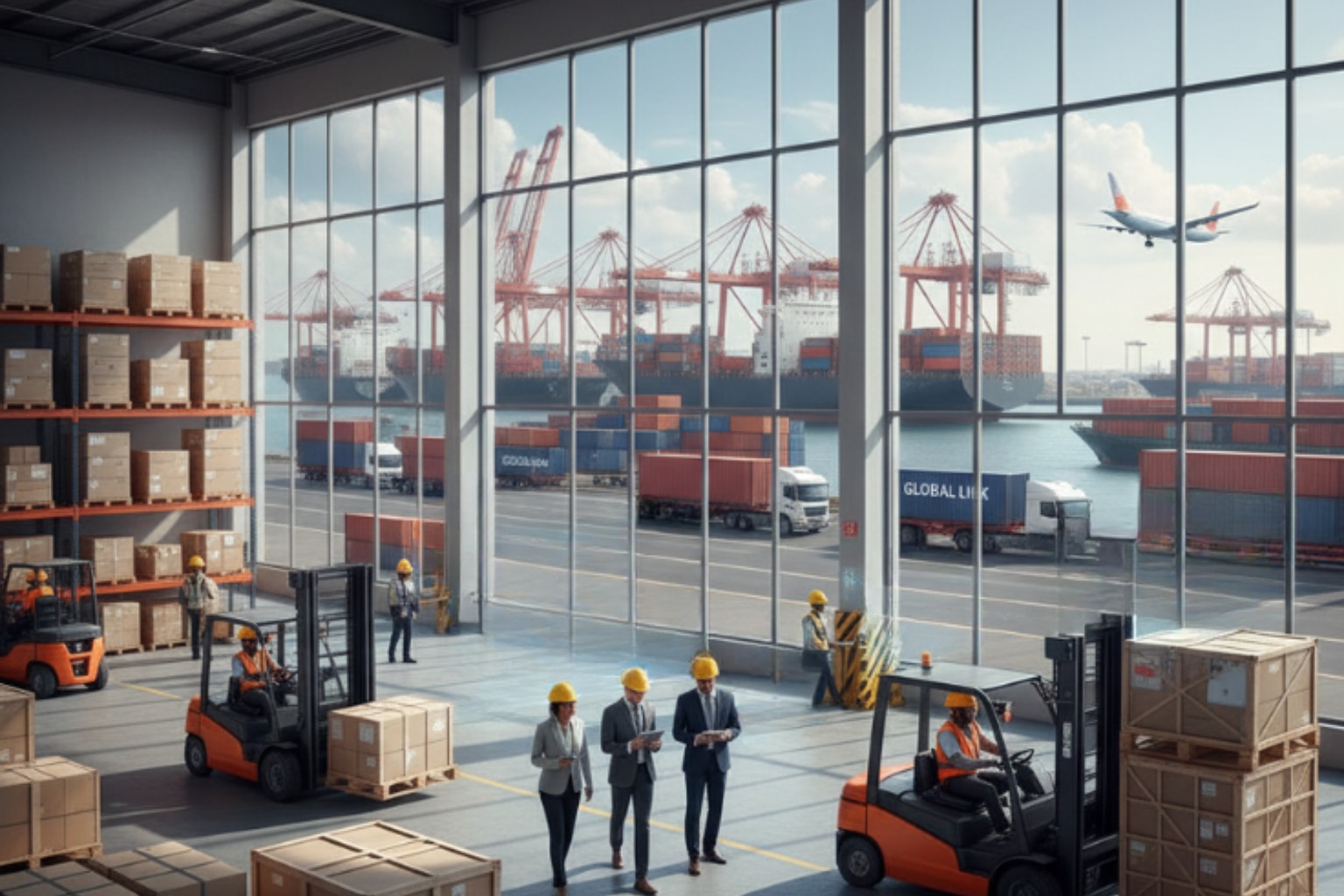
Think of freight as the engine and logistics as the navigation system.
For example, a company shipping goods internationally will:
Use logistics planning to determine the best routes and methods
Choose between air or sea freight based on cost, speed, and urgency
Arrange freight transport to move the cargo
Store products in warehouses efficiently
Manage inventory, deliveries, and returns
Without logistics, freight becomes inefficient. Without freight, logistics cannot move goods. Both are essential for smooth supply chain operations.
Businesses typically require freight services when:
Shipping bulk or high-volume cargo
Moving goods internationally
Transporting products between warehouses
Delivering large commercial shipments
Freight services focus purely on the transportation aspect.
Logistics is essential when managing:
End-to-end supply chains
Multiple suppliers or warehouses
International shipping strategies
Inventory tracking and order fulfillment
Returns and reverse logistics
Cost optimization strategies
Logistics ensures all operations run efficiently, while freight executes the actual transport.
Combining freight and logistics services improves business performance: Key Benefits:
Faster deliveries
Lower transportation costs
Better inventory control
Reduced delays
Improved customer satisfaction
Greater supply chain visibility
Reduced operational waste
Higher profitability
More reliable shipping schedules
Ask these questions before deciding:
Do I only need transportation? ? Freight
Do I need full supply chain support? ? Logistics
Do I ship internationally often? ? Both
Do I want cost optimization and efficiency? ? Logistics strategy + freight execution
Pro Tip:
Many growing businesses benefit from third-party logistics providers (3PLs) who manage both freight and logistics under one roof.
Avoid these pitfalls:
Treating freight and logistics as the same
Choosing the cheapest carrier without planning
Ignoring warehousing and inventory strategy
Not tracking shipments in real time
Poor coordination between departments
Solution: Adopt an integrated logistics approach with data-driven planning and monitoring.
Q1: Are freight and logistics the same thing?
A: No. Freight refers to transporting goods, while logistics manages the entire supply chain process.
Q2: Which is more important for businesses?
A: Both are essential. Freight moves products, logistics ensures efficiency and coordination.
Q3: Can a company offer both freight and logistics services?
A: Yes. Many 3PL providers offer integrated solutions combining transportation, warehousing, and supply chain management.
Q4: How does logistics reduce costs?
A: Through route optimization, inventory planning, and efficient freight selection.
Q5: What's better for international cargo?
A: A combination of logistics planning and freight execution ensures the best results.
Understanding the difference between freight vs logistics is vital for businesses looking to optimize supply chains, reduce costs, and improve operational efficiency. Freight handles the movement, while logistics manages the system. Together, they ensure products reach customers on time and in perfect condition.