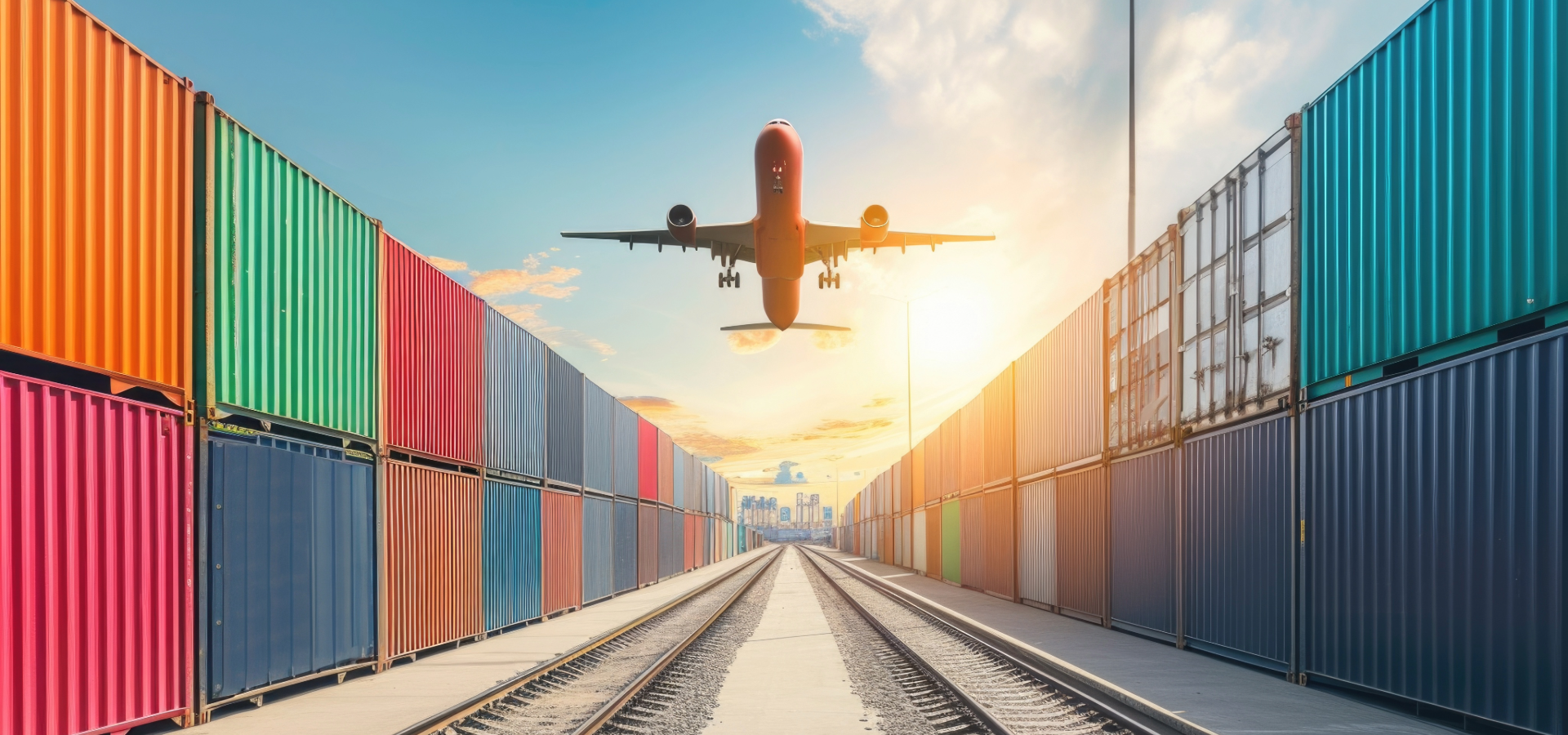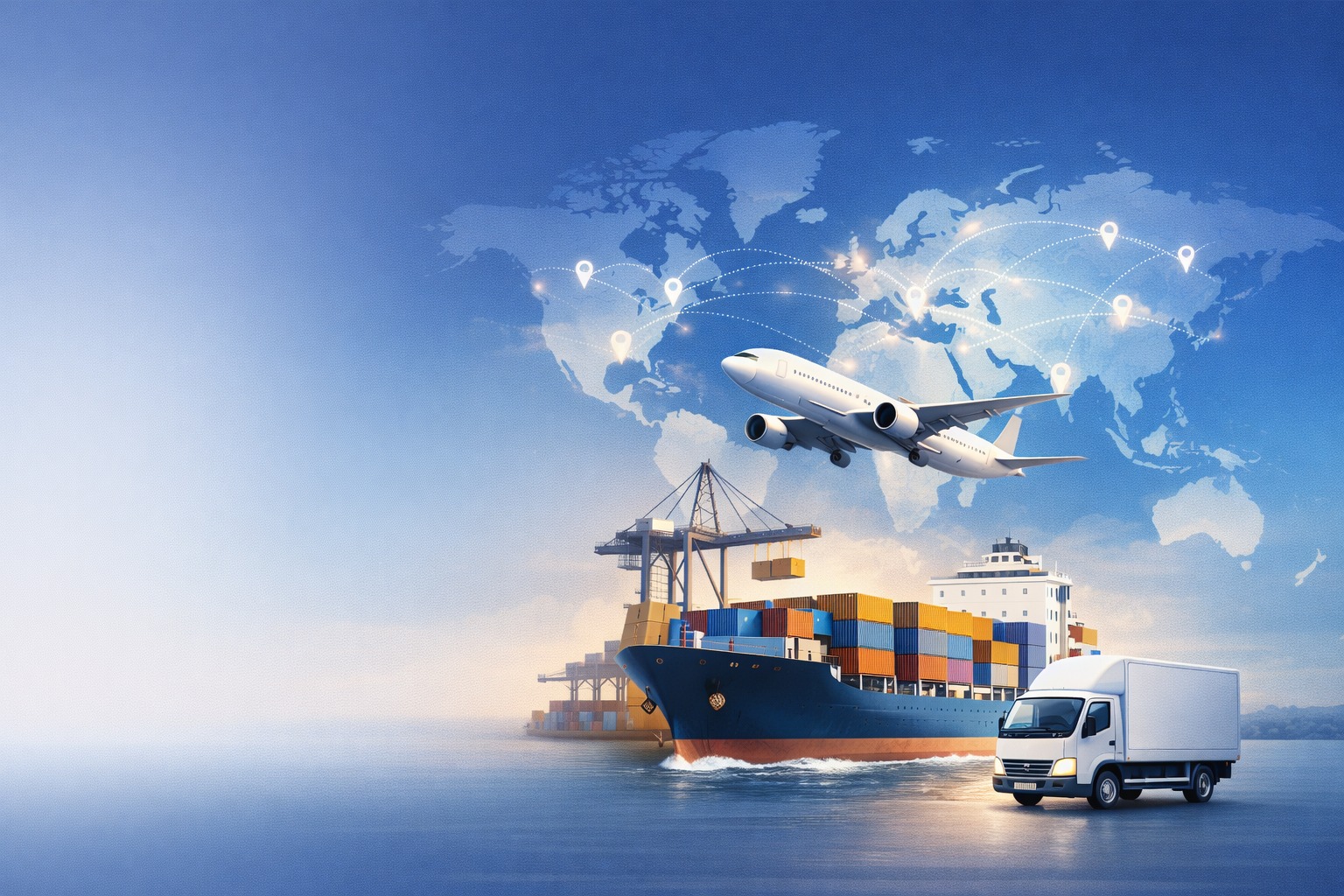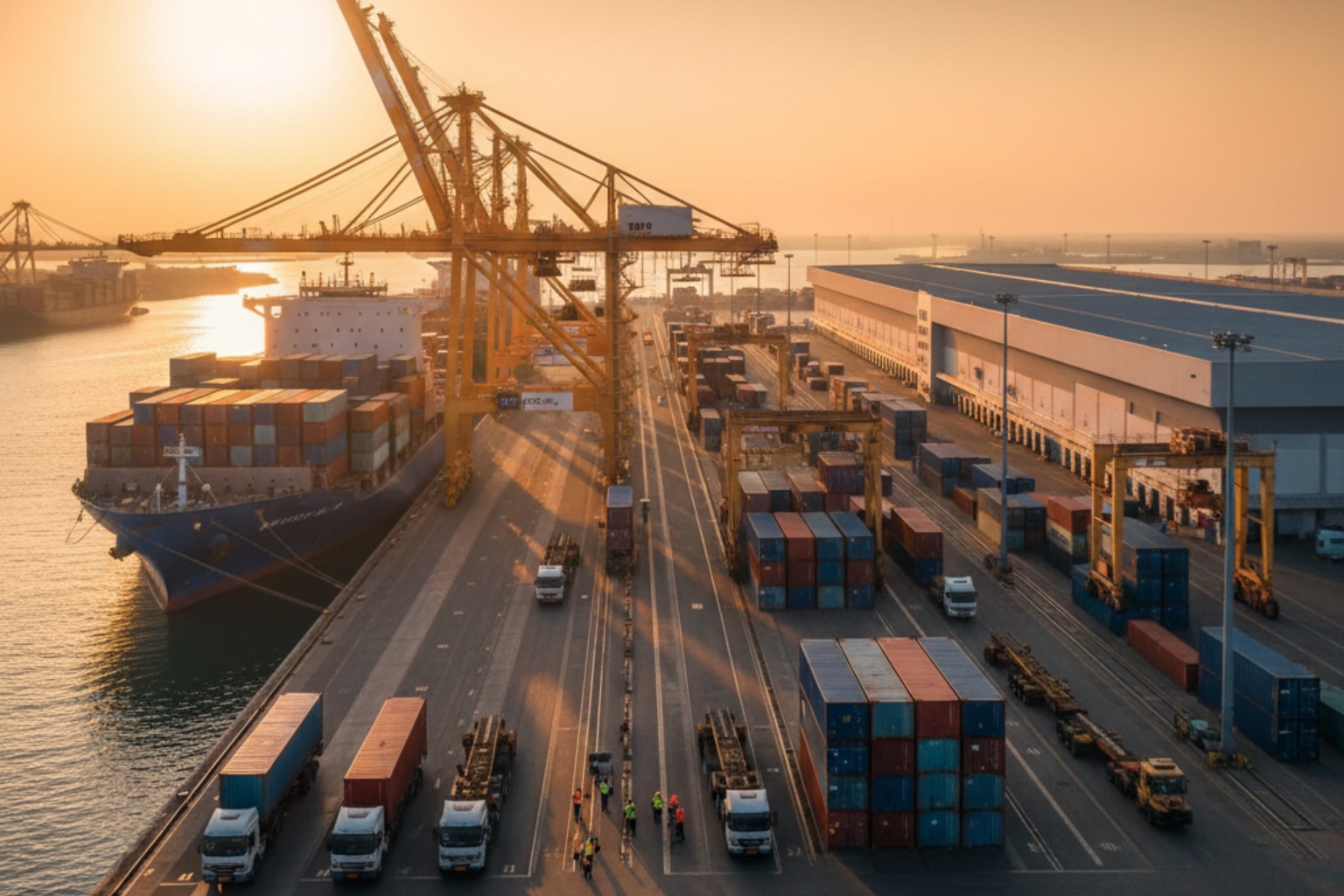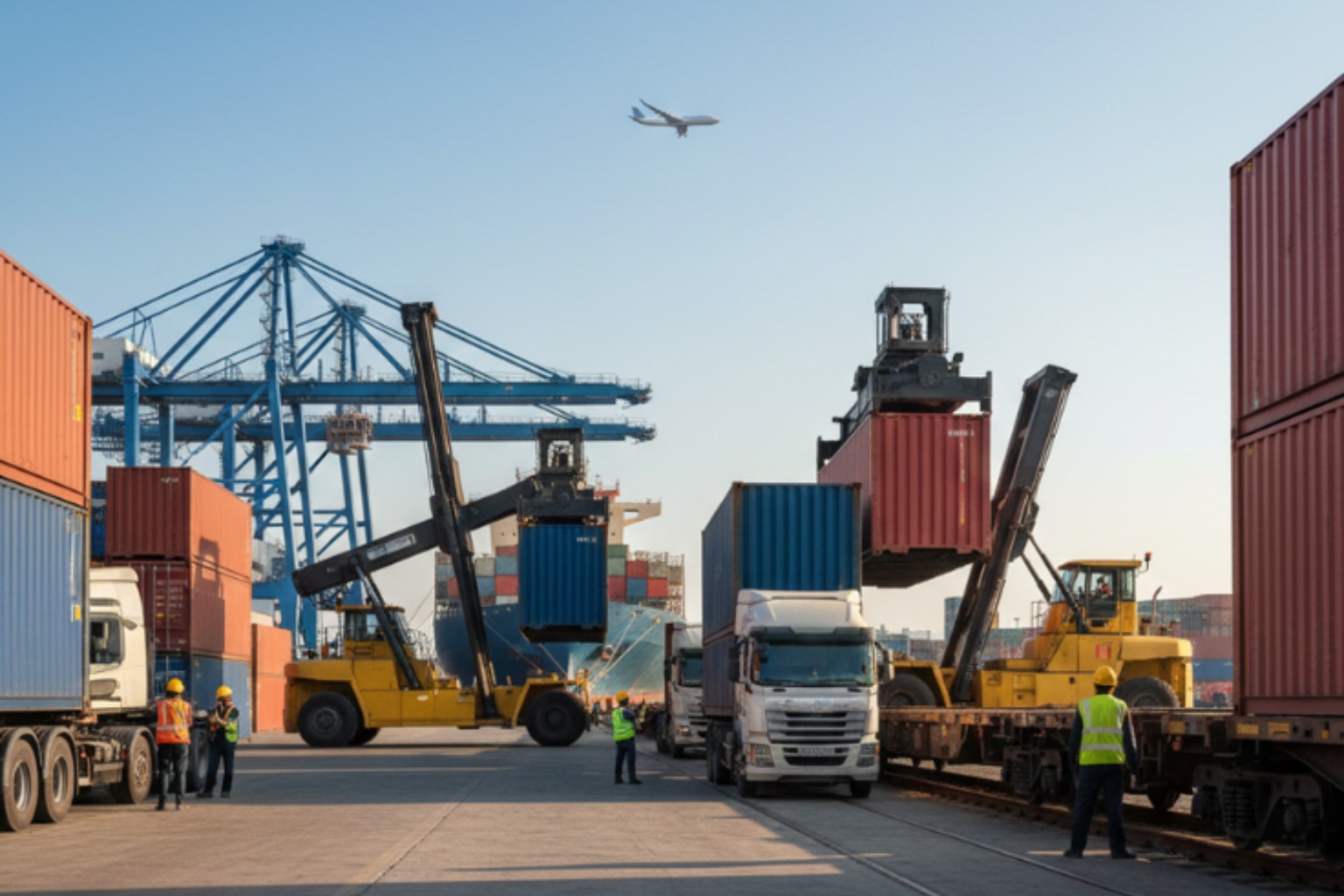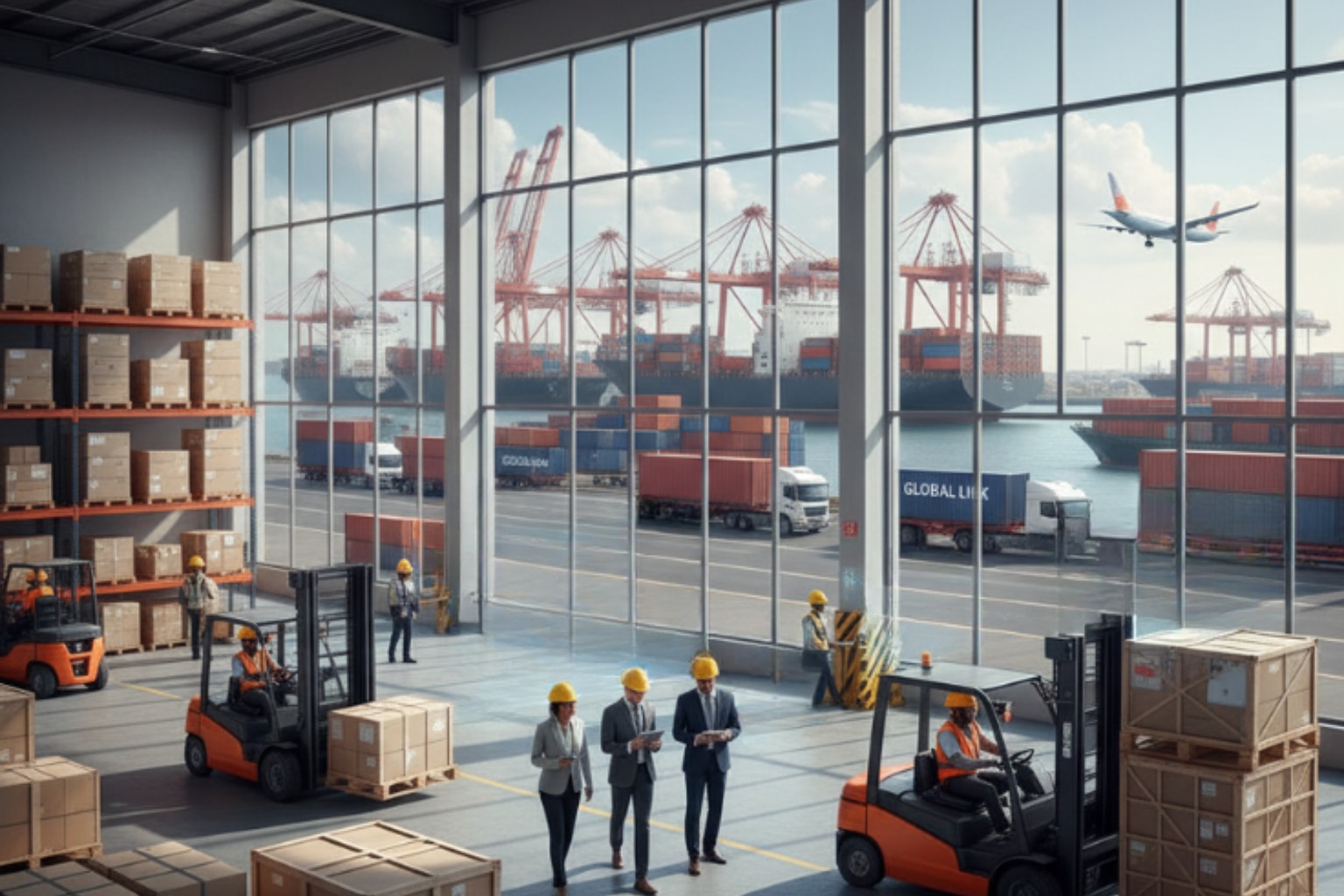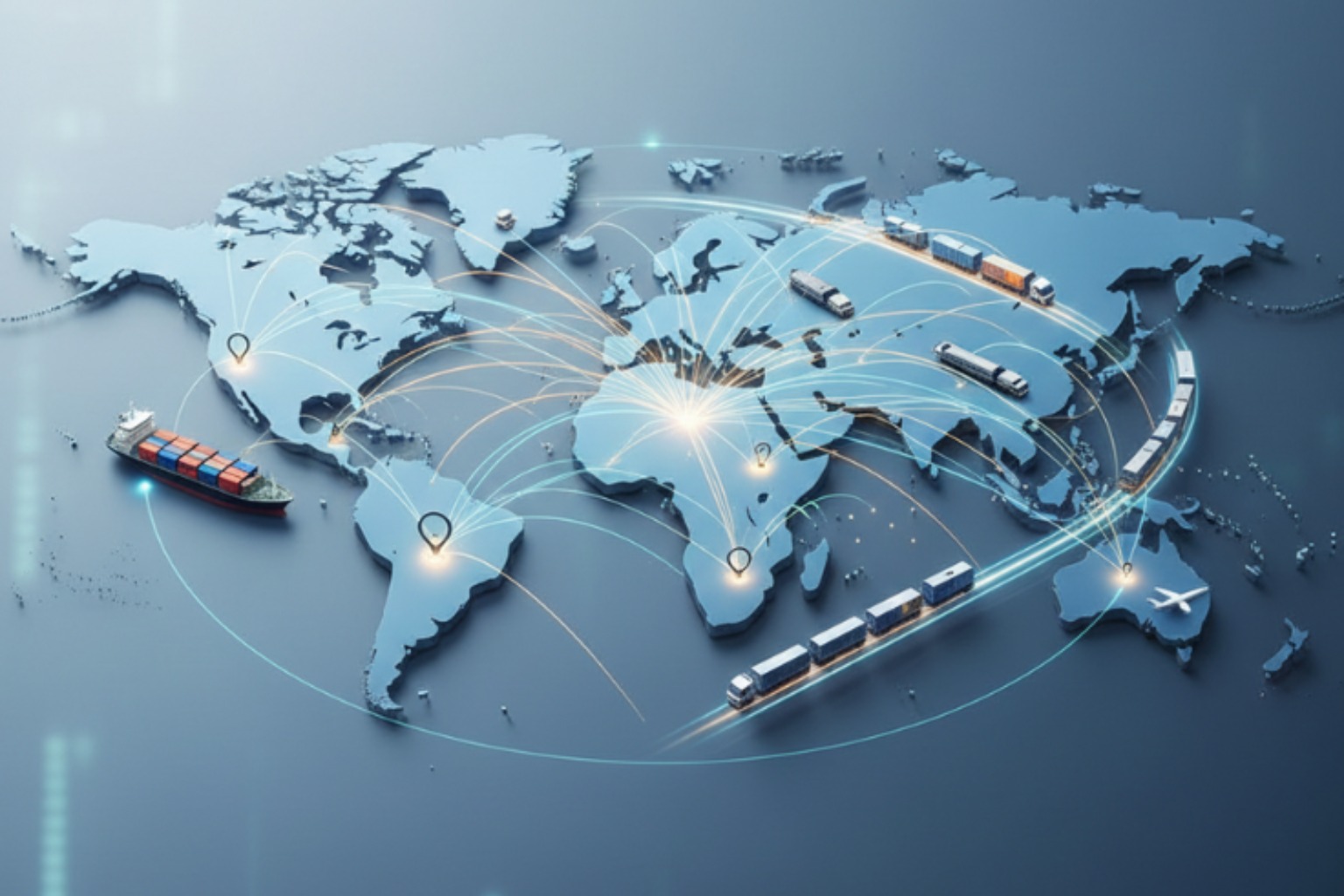
In today's global trade environment, businesses rarely rely on a single mode of transport to move cargo. Shipments often travel by road, rail, sea, and air before reaching their final destination. Coordinating these movements efficiently is where multimodal transportation plays a critical role.
By combining multiple transport modes under one structured plan, companies can reduce transit time, lower costs, and improve supply chain reliability. When managed correctly, multimodal logistics offers greater flexibility and visibility compared to traditional single-mode shipping.
This guide explains what multimodal transportation is, its key benefits, and the best practices businesses should follow to streamline operations.
Multimodal transportation refers to the movement of goods using two or more different modes of transport under a single contract or logistics strategy.
For example:
Truck -> Port -> Ocean freight -> Rail -> Final delivery truck
Air freight -> Road transport -> Warehouse distribution
Instead of managing each leg separately, the entire journey is planned as one coordinated process. This approach helps minimize delays between transfers and ensures smoother cargo handling across regions and borders.
1. Cost Efficiency
Using different modes strategically can significantly reduce shipping costs.
For instance:
Rail and sea for long distances (lower cost)
Road for last-mile delivery (flexibility)
Balancing speed and cost allow businesses to optimize their logistics budgets.
2. Improved Transit Time
Multimodal networks allow shipments to take the fastest or most efficient route available. If one route faces congestion or delays, alternative modes can be used to maintain schedules.
This improves delivery reliability and customer satisfaction.
3. Greater Flexibility
Every shipment has unique requirements. Multimodal solutions offer:
Route options
Mode combinations
Customized scheduling
This flexibility is particularly useful for oversized cargo, urgent shipments, or remote destinations.
4. Reduced Risk of Delays
Relying on a single transport mode increases vulnerability to disruptions such as:
Port congestion
Weather conditions
Capacity shortages
Multimodal systems provide backup options, reducing dependency and minimizing risk.
5. Better Cargo Visibility
Modern multimodal logistics integrates:
GPS tracking
Digital documentation
Real-time status updates
This transparency allows businesses to monitor shipments across all stages of transit and make informed decisions quickly.
6. Environmental Benefits
Rail and sea freight typically produce lower carbon emissions compared to air or road transport. Combining these modes helps reduce the overall environmental footprint of logistics operations.
Sustainable transportation strategies are increasingly important for businesses focused on ESG goals.
While beneficial, multimodal logistics can present complexities such as:
Coordination between multiple carriers
Documentation and customs processes
Mode transfer delays
Communication gaps
Without proper planning, these challenges may affect delivery timelines. That's why structured processes and experienced logistics partners are essential.
1. Plan Routes Strategically
Evaluate:
Distance
Cost
Speed
Infrastructure
Customs requirements
Selecting the right combination of modes ensures efficiency from origin to destination.
2. Standardize Documentation
Use consistent documentation across all legs of the journey to avoid delays at checkpoints or borders.
Digital paperwork reduces errors and speeds up clearance.
3. Partner with Integrated Logistics Providers
Working with a single provider that manages multiple modes simplifies coordination and accountability.
Companies like ECM Logistics' Logistics & Chartering Solutions help streamline planning, equipment readiness, and execution under one structured approach, improving operational control across shipments.
4. Use Technology for Tracking
Implement:
Real-time shipment tracking
Automated alerts
Centralized dashboards
Technology enhances visibility and allows faster responses to disruptions.
5. Optimize Cargo Handling
Each transfer point increases handling risk.
To minimize damage:
Use standardized packaging
Proper containerization
Clear labeling
Efficient handling ensures safe movement across modes.
6. Monitor Performance Metrics
Track KPIs such as:
Transit time
Cost per shipment
Damage rate
On-time delivery
Regular performance reviews help identify inefficiencies and improve future planning.
Multimodal transportation works best when:
Shipping internationally
Covering long distances
Balancing cost vs. speed
Moving large or bulk cargo
Managing complex supply chains
It is particularly useful for industries like manufacturing, energy, construction, and retail distribution. How Multimodal Transportation Supports Modern Supply Chains
Speed
Reliability
Cost control
Scalability
Multimodal strategies support these requirements by connecting global trade lanes more effectively. Instead of depending on a single route, businesses gain access to multiple pathways that keep cargo moving even during disruptions. This structured, systematic approach makes logistics more predictable and resilient.
Multimodal transportation is no longer just an alternative shipping method - it has become a practical necessity for modern businesses. By combining the strengths of road, rail, air, and sea, companies can:
Lower costs
Improve delivery times
Increase flexibility
Enhance visibility
Reduce risk
With proper planning and experienced logistics coordination, multimodal transport creates a more efficient and dependable supply chain. If you're looking to strengthen your transportation strategy, exploring integrated solutions through ECM Logistics' comprehensive logistics services can help align shipments with your operational goals while maintaining control across every stage.